kiln-guides 6 min read
Pyrometric Cones Explained: Numbers, Temps, Witness Cones
How pyrometric cones work, what the cone numbers mean, witness cones versus controller programs, and the standard cone temperatures from low fire to high fire.
A pyrometric cone is a small elongated pyramid made from ceramic materials that soften and deform at specific combinations of temperature and time. The cone number indicates when it bends. Placing a cone inside the kiln during firing gives an independent read of whether the firing achieved its intended heat work, separate from whatever the controller’s thermocouple reported.
Most studio pottery in electric kilns targets cone 6, a mid-fire temperature around 2232°F (1222°C) at a standard firing rate. Understanding what cone numbers mean, how the numbering system works, and how to read witness cones is the baseline knowledge for consistent kiln results.
The cone numbering system
Orton Pyrometric Cones cover a temperature range from cone 022 (the lowest) through cone 14 (the highest). The numbering system has a quirk: cones in the “0” series count downward (cone 022 is cooler than cone 06), while cones in the positive series count upward (cone 1 is cooler than cone 10).
The boundary between the 0 series and the positive series falls between cone 01 and cone 1. Cone 01 and cone 1 are different cones, and they fire at different temperatures.
Standard temperature equivalencies (Orton, at 108°F/hr rise):
| Cone | Temperature (°F) | Temperature (°C) |
|---|---|---|
| 022 | 1063°F | 572°C |
| 018 | 1263°F | 684°C |
| 06 | 1828°F | 998°C |
| 04 | 1945°F | 1063°C |
| 02 | 2079°F | 1137°C |
| 1 | 2109°F | 1154°C |
| 4 | 2167°F | 1186°C |
| 6 | 2232°F | 1222°C |
| 8 | 2305°F | 1263°C |
| 10 | 2381°F | 1305°C |
| 12 | 2419°F | 1326°C |
Source: Orton Ceramic Foundation, Pyrometric Cone Temperature Equivalency Chart. Temperatures at 108°F/hr (60°C/hr) final firing rate. Verified June 2026.
These temperatures are at a specific firing rate. A faster rate shifts cone maturation to a higher thermometer reading; a slower rate shifts it lower. The cone itself is the standard, not the thermometer.
Low fire, mid fire, high fire
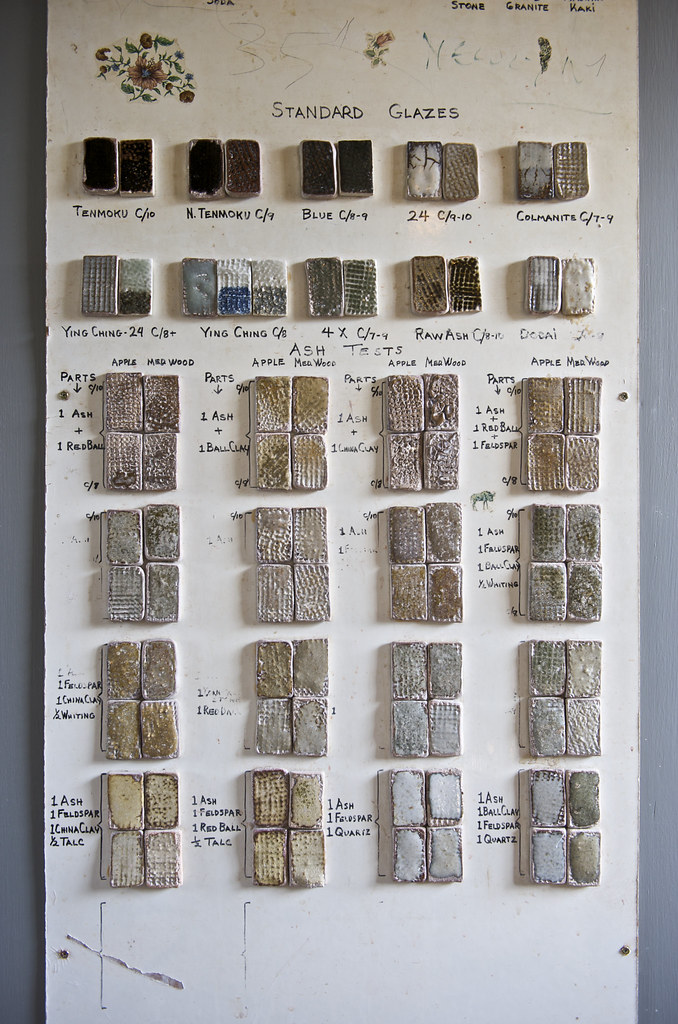
Low fire (approximately cone 022 to cone 1): Earthenware clay bodies mature in this range. Low-fire glazes are typically more colorful and brighter than high-fire glazes because many colorants are stable only at lower temperatures. Porcelain and stoneware are not fired in this range; they do not vitrify at these temperatures. Bisque firings for all clay types fall in this range (typically cone 06 to cone 04 bisque).
Mid fire (approximately cone 2 to cone 7): Most commercial studio glazes sold in the US are formulated for cone 6. Mid-fire stoneware and porcelain bodies mature in this range. The combination of practical kiln temperatures, wide glaze palette, and body durability makes cone 6 the most common target in home and community studio settings.
High fire (approximately cone 8 to cone 14): Traditional stoneware and porcelain bodies reach full maturity in this range. High-fire reduction kilns (gas and wood) typically target cone 10 or cone 12. Most home electric kilns are rated to cone 10, though the majority of electric kiln use targets cone 6. Firing electric kilns at cone 10 regularly shortens element life compared to cone-6 use.
Witness cones: reading the result
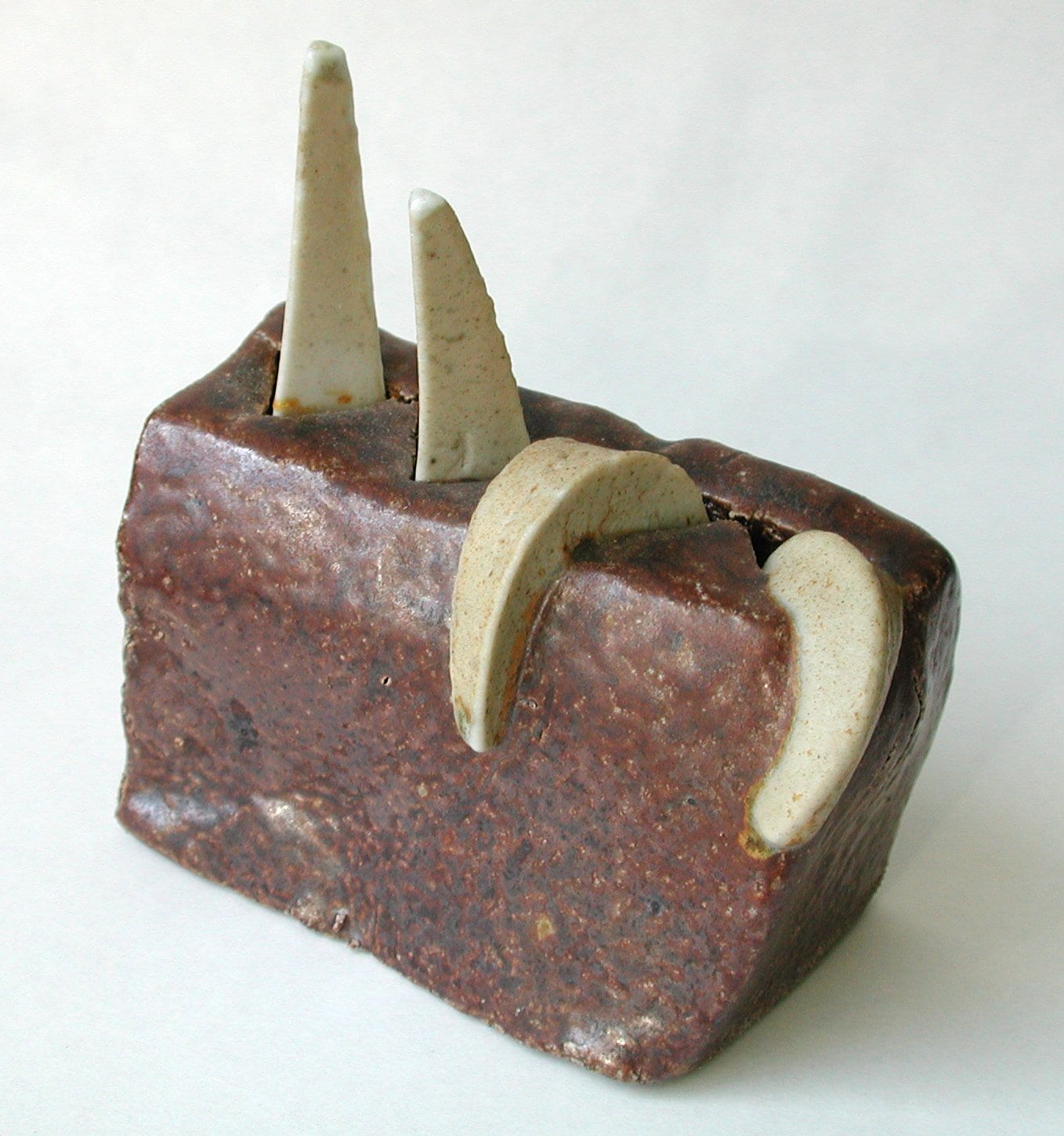
A witness cone is placed inside the kiln before firing to confirm that the target cone level was actually reached. Self-supporting witness cones stand upright in a small clay pad or commercial holder; traditional regular cones require a commercially made stand to hold them at the correct 8-degree lean.
After firing and kiln cool-down:
- Cone still upright, no bending: the kiln did not reach the target cone level. The firing was too cool or too short.
- Cone tip barely touched down (2 o’clock position): slightly underfired. Most glazes in this state are matte or underdeveloped.
- Cone bent to 3 to 4 o’clock position (tip nearly touching the base): correctly fired. This is the standard “mature” position for Orton cones.
- Cone fully flat, tip buried in the base: overfired. The kiln reached or exceeded the target level significantly.
Placing three cones in a pack (one cone lower, the target cone, and one cone higher) gives a more complete read. If the lower cone is bent and the target cone is bent to 3 o’clock with the upper cone standing, the firing hit the window precisely. If all three are flat, the kiln significantly overfired.
Self-supporting vs. regular cones
Self-supporting cones (also called Large Orton Cones) have a triangular base that allows them to stand upright without a holder. They are the most common format for studio use. Self-supporting cones come in the same temperature range as regular cones and are available individually or in boxes of 50.
Regular cones are slender without a base and must be set in a cone holder at an 8-degree lean (the standard firing angle). They are used in commercial production settings and by studios that prefer the traditional format.
Both types are manufactured by Orton to the same temperature specifications. The choice is practical rather than technical.
Controller cones vs. witness cones
Skutt’s KilnMaster and L&L’s Bartlett Genesis controller both offer a cone-fire mode that programs the kiln to reach a target cone level. The controller fires to the programmed cone based on what the thermocouple reports. A witness cone checks whether that reported temperature matched actual heat work in the kiln.
Thermocouples drift gradually after many firings and may read higher or lower than actual temperature. Elements wear and cycle at different duty percentages over time. In a 1-zone controller like the KilnMaster, one thermocouple reading represents the whole kiln; actual temperature at the top and bottom of the kiln varies. In a 3-zone controller like the Bartlett Genesis, three independent readings provide better coverage.
Periodic witness cones catch thermocouple drift early. A cone pack placed in the top, middle, and bottom of the kiln once or twice a year shows whether the controller is producing uniform results through the full stack of work.
Common cone levels and what fires there
| Cone | Common use |
|---|---|
| 06-04 | Bisque firing for all clay types; low-fire glazes |
| 04-02 | Low-fire earthenware; low-fire commercial glazes; luster overwash |
| 2-4 | Low mid-fire; some commercial studio glazes |
| 6 | Standard mid-fire; most commercial studio glazes; mid-fire stoneware and porcelain |
| 8-10 | High-fire; traditional stoneware and porcelain; most electric kilns rated to this range |
| 10-12 | Gas/wood kiln range; some cone-10 electric kilns |
For the kilns reviewed on this site, the maximum temperature ratings are:
- Skutt KM-1027: Cone 10
- L&L e23T: Cone 10
- Skutt KM-1018: Cone 10
- Skutt KM-818: Cone 10
- Paragon Caldera: Cone 10
All five kilns reviewed here are rated for the full range of studio firing temperatures through high fire. Most electric kiln work targets cone 6.
For kiln controller details that work with cone-fire modes, see the kiln controller guide. For firing schedule structure at different cone levels, see kiln firing schedules. For complete model specifications, see individual model reviews linked from the first kiln buying guide.