Kilns · Wheels · Firing Know-How
The warm end
of the workshop.
Your kiln is a ten-year decision that starts at the breaker panel, not the brochure. We work through the electrical, the ventilation, and the real cost-per-firing so you pick the kiln that fits the space you actually have.
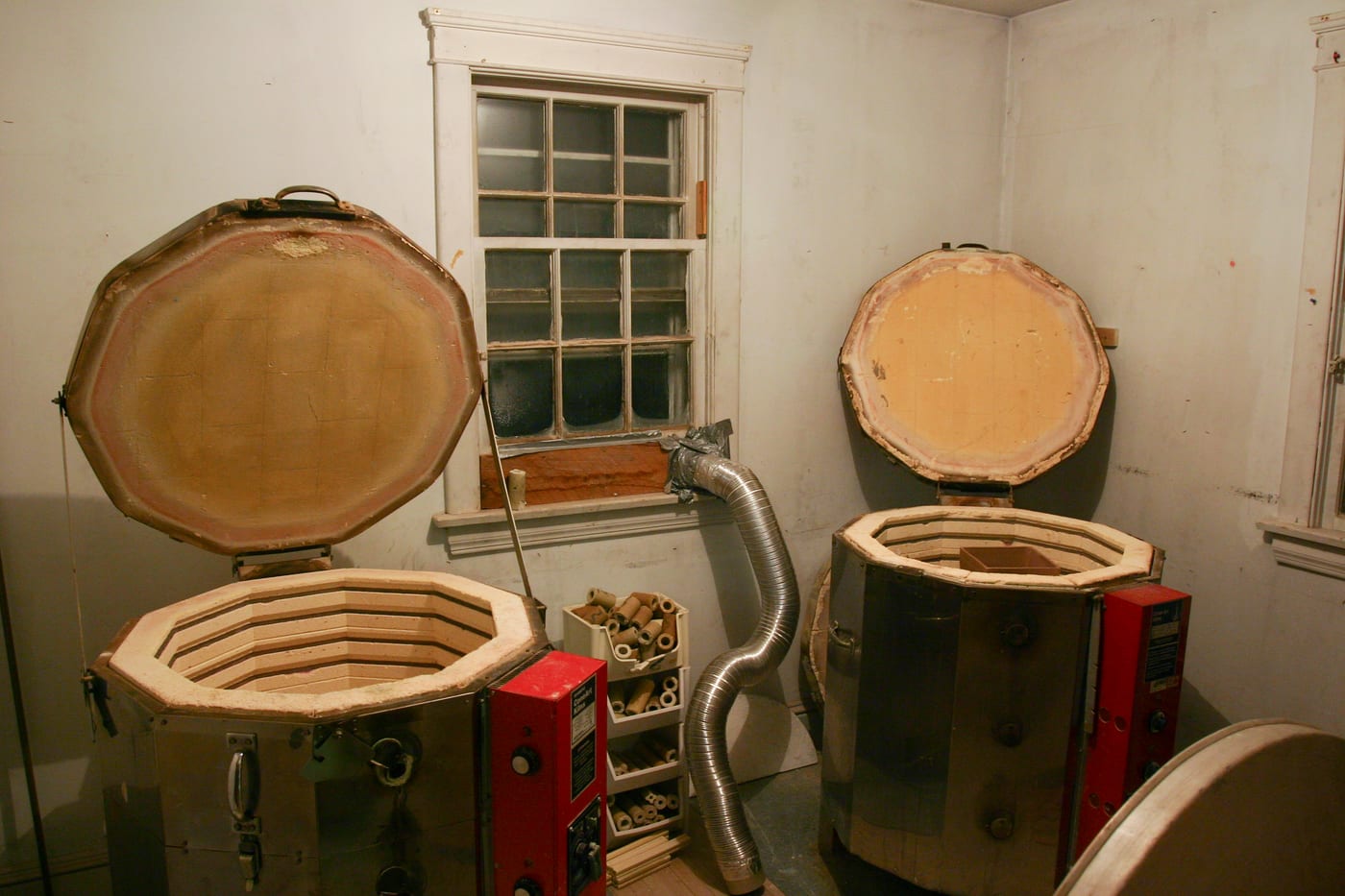
Start where you are
What can your space run?
Every kiln decision starts with a circuit, a vent, and a floor plan. Pick your situation and we'll meet you there.
-
-
-

The number on the bill
What a firing
really costs
Kilowatt-hours per firing, worked out from the kiln's actual power draw and a real firing schedule, then priced at the U.S. average electricity rate. The number the product page never shows, and it changes which kiln makes sense for a home studio.
See the full cost-to-fire table
one cone-6 glaze firing
KM-1027 · U.S. avg. rate
Latest from the bench
Fresh off the shelf.
- kiln-guides

Pottery Studio Tools and Materials: The Real Setup List
What a home studio needs after the kiln and the wheel: tools, bats, clay, glaze, kiln furniture, cones and a respirator. With verified August 2026 prices.
- wheel-comparisons

Speedball Clay Boss vs Artista: The Real Out-the-Door Gap
The Artista is $598 and the Clay Boss $1,120. Add the pedal and legs the Artista needs and the gap falls to $226. Verified August 2026 prices and specs.
- kiln-guides

Heat Treat Oven for Knife Making: What Actually Matters
Why a knife oven is not a pottery kiln: soak accuracy, blade-length chambers, front doors and quench speed. Evenheat and Paragon options, with verified prices.
- kiln-guides

Kiln Parts Guide: What Fails First and What It Costs
Every replaceable part in an electric kiln with 2026 manufacturer list prices, expected service life, and whether an owner can fit it or needs a technician.
- kiln-reviews

Skutt FireBox Review: The 120-Volt Mini Kiln Lineup
Skutt's FireBox 8x6 and 8x4 plug into a household outlet. Verified specs, the cone rating that runs backwards, and what each one actually costs to fire.
- kiln-comparisons

Paragon Caldera vs Skutt FireBox: The 8-Inch Decision
Both plug into a wall outlet with an 8 by 8 inch chamber. The Caldera reaches cone 10 with more depth. The FireBox 8x6 stops at cone 6 and costs $421 less.
The questions every kiln buyer has.
Do kilns use a lot of electricity?
Less than most people fear. A mid-size kiln firing to cone 6 typically draws 25 to 50 kilowatt-hours per glaze firing, which lands between $3 and $8 in most US states. Bisque firings run cooler and cheaper. The bigger cost surprise is usually the 240V circuit installation, not the power bill.
Can I put a kiln in an apartment?
Sometimes. A 120V kiln that plugs into a standard outlet can fire small work to mid-range temperatures, and several models are built exactly for that. The constraints are ventilation, clearance from walls, and your lease. We cover which models fit and which workarounds are wishful thinking.
What size breaker does a kiln need?
Most full-size studio kilns want a dedicated 240V circuit at 30 to 60 amps depending on the model. The spec sheet number is the start, not the answer: code requires the breaker sized to 125 percent of the kiln's draw. Every kiln review here lists the exact circuit requirement up front.
Are used kilns and wheels worth buying?
Often, yes. Wheels from the major makers run for decades, and a used kiln with healthy elements and straight brick can cost half of new. The trick is knowing what to inspect. Our used-buying guides give you the checklist owners wish they'd had.
The firing list
New reviews and firing-cost data, in your inbox.
One email when there's a new kiln review, a wheel teardown, or a fresh cost-to-fire breakdown. Primary sources. No spam. Unsubscribe anytime.